


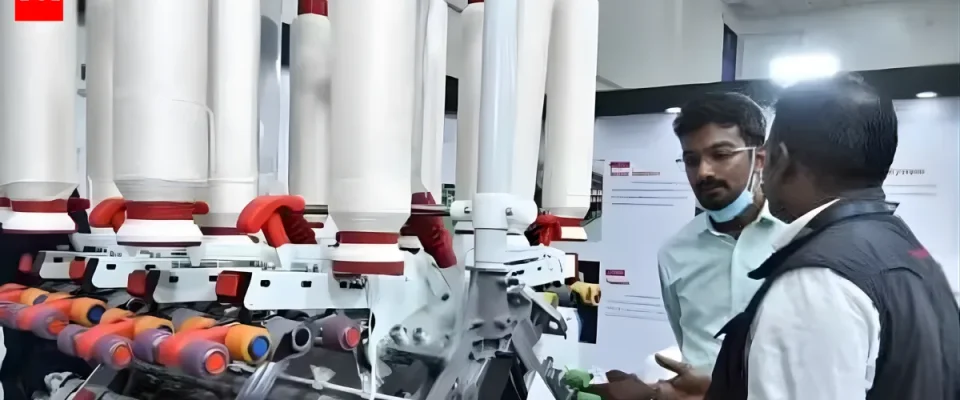
Industries and MSMEs in Madhya Pradesh seek GST relief, a textile production-linked incentive, and technology support in the upcoming Budget.
Industries and MSMEs in Madhya Pradesh have expressed expectations from the upcoming Union Budget, urging the government to simplify GST compliance, ensure faster access to government schemes and introduce sector-specific support to strengthen manufacturing and export competitiveness.
Industry representatives said that although several central and state schemes are available, their effectiveness is often reduced due to procedural delays, extensive documentation requirements and slow disbursement of benefits. They stressed the need for simplified processes and faster approvals to ensure MSMEs can fully utilize government support.
The textile sector has sought targeted policy intervention to strengthen cotton-based manufacturing and exports. The Madhya Pradesh Textile Mills Association has proposed the introduction of a new Production Linked Incentive (PLI) scheme covering cotton garments and made-ups with lower investment thresholds and broader product coverage.
The association has also recommended refund of input tax credit on capital goods and services across the textile value chain. Association secretary M C Rawat emphasized the need for a cotton price stabilization fund with 5% interest subvention for actual users to protect mills from raw material price volatility.
Rawat further suggested reducing margin money requirements for cotton financing from 25% to 10% and increasing stock limits from three months to nine months to enable mills to procure cotton during peak season and maintain price stability in yarn production.
Industry bodies have also highlighted the importance of technology-driven growth. Yogesh Mehta, President of the Association of Industries of Madhya Pradesh, said the Budget should prioritize artificial intelligence adoption, automation support and technology upgradation to improve MSME productivity and enhance global competitiveness.
Skill development has emerged as another major industry demand. Gautam Kothari, President of Pithampur Audhyogik Sangathan, called for increased funding for industry-linked training programmes to bridge the gap between workforce capabilities and shop-floor requirements.
Industrial stakeholders have also raised concerns regarding operational costs and regulatory challenges. Industrialist Virendra Porwal urged the government to discontinue auction-based allotment of industrial land, stating that it significantly increases project costs. He also pointed to frequent technical issues on government e-procurement platforms such as GeM and tender portals, which delay procurement and payments.
Industry bodies have additionally sought rationalization of electricity tariffs, proposing a cap of ₹6 per unit, decentralization of industrial approvals at the district level, reduction and long-term validity of renewal fees charged by the health and safety department, and elimination of multiple levies such as maintenance charges and property tax imposed by different authorities.
Industry representatives said that a reform-oriented Union Budget addressing taxation, power costs, land policy, skill development and technology adoption could significantly strengthen Madhya Pradesh’s MSME ecosystem and enhance its global competitiveness.
News Courtesy : Times of India