

India’s retail sales grew 10% in December 2025, with apparel and footwear registering a 9% increase, according to the latest RAI survey.
Retail sales in India grew 10% in December 2025 compared with the same month a year earlier, extending the double-digit momentum seen during the festive season, according to the 67th edition of the Retail Business Survey released by the Retailers Association of India (RAI).
The festive period had recorded an 11% increase in sales, and December’s performance indicated that consumer demand remained steady through the year-end. The survey pointed to consistent footfalls and selective discretionary spending across markets as key drivers supporting sales during the month.
Regionally, growth in December was broad-based. The western region delivered the strongest performance, with sales rising 14% year-on-year. The south followed with 11% growth, while the north recorded a 10% increase. The east, although relatively slower, still posted positive growth of 7%. The spread of growth across regions suggested a relatively balanced demand environment, with no single geography disproportionately driving overall expansion.
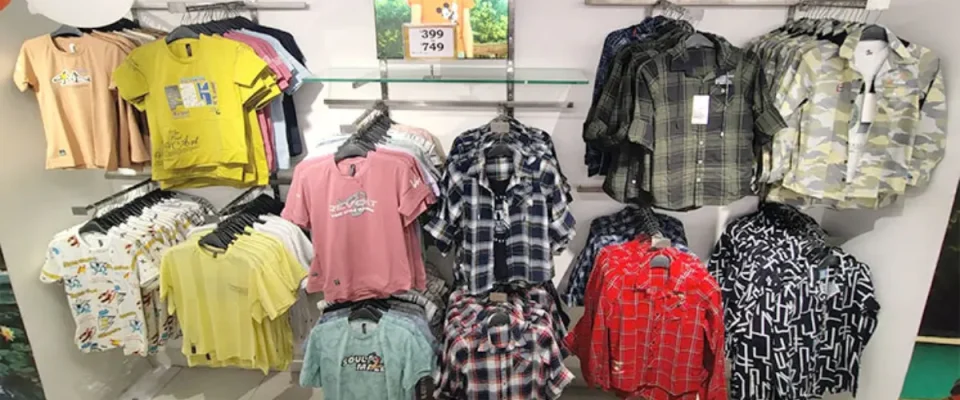
Across categories, apparel remained in single-digit growth territory, reflecting a more value-conscious consumer environment and the influence of pricing structures across segments. Both apparel and footwear registered growth of 9% during the month.
The survey noted that the current goods and services tax (GST) framework for apparel, which applies a 5% tax rate on items priced up to Rs. 2,500 (US $ 28) per piece and a higher tax incidence above this threshold, continued to influence pricing strategies, assortment planning and purchase behaviour. This was particularly evident in the mid-to-premium segments, contributing to heightened price sensitivity and more selective buying patterns.
Commenting on the findings, Kumar Rajagopalan, Chief Executive Officer of the Retailers Association of India, said that December’s data indicated consumption had remained stable beyond the festive period, even as variations across categories became more pronounced. He noted that while everyday consumption and experience-led segments continued to perform well, discretionary and upgrade-driven categories were expanding more cautiously, making execution and value delivery as important as topline growth.
RAI’s surveys during the non-festive months of 2025 had pointed to moderate but gradually improving growth trends, which strengthened in the second half of the year and culminated in a double-digit festive season followed by sustained demand in December.
Taken together, the findings suggest a retail environment that remains stable but is increasingly selective and value-driven as the sector enters 2026.
News Courtesy : Apparel resources