


VP C.P. Radhakrishnan highlights strong growth prospects for India’s textile sector following US tax cut and EU trade pact support.
C. P. Radhakrishnan has expressed optimism about the future of India’s textile and industrial sectors, stating that recent international trade developments are expected to accelerate growth. He pointed to the reduction of US tax to 18% and the newly concluded free trade agreement with European nations as key drivers that will create fresh opportunities for Indian manufacturers.
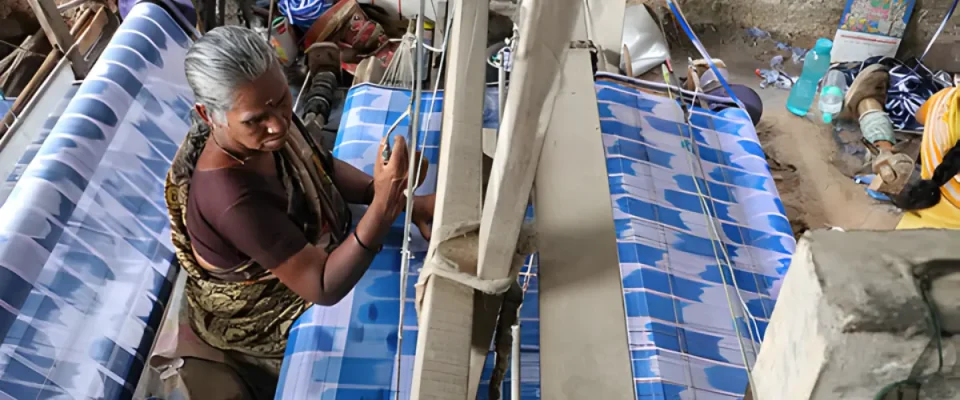
Speaking at the inauguration of a new academic block at the Indian Institute of Handloom Technology, Salem, the Vice President highlighted Salem’s dual identity as a major mango-producing region and a well-known centre for handloom weaving. He commended the dedication of local weavers and stressed the importance of preserving India’s traditional weaving heritage while adapting to modern industry demands.
Radhakrishnan noted that the Central Government has been consistently working to strengthen the textile sector through policy support and trade initiatives. He said the agreement with European countries is expected to open new export avenues for Indian textile producers, enhancing competitiveness against countries such as China and Bangladesh.
The Vice President also praised the initiatives led by Narendra Modi, including the Smart City Mission, stating that several cities in Tamil Nadu have benefited from these development programmes.
Emphasising the need for skill enhancement, he said the Union Government is implementing measures to help weavers upgrade their capabilities to meet international quality standards and evolving global market expectations. He encouraged the textile industry to make effective use of the institute’s infrastructure and suggested approaching the Central Government for further enhancement of facilities at Salem College.
Radhakrishnan expressed confidence that continued government support, combined with improved trade access and skill development initiatives, will drive substantial growth in the textile sector and contribute to improving the livelihoods of weavers across the country.