
The Nordic Council has approved new recommendations aimed at improving sustainability and transparency within the textile and fashion industry.
The measures focus on providing consumers with clearer product information, preventing greenwashing and misleading marketing practices, and promoting better labour conditions across the textile supply chain.
The proposal was initially prepared by the Nordic Youth Council, which represents the youth wings of political organisations across the Nordic region. It was later refined and further developed by the Nordic Council Committee for a Sustainable Nordic Region before being formally adopted.
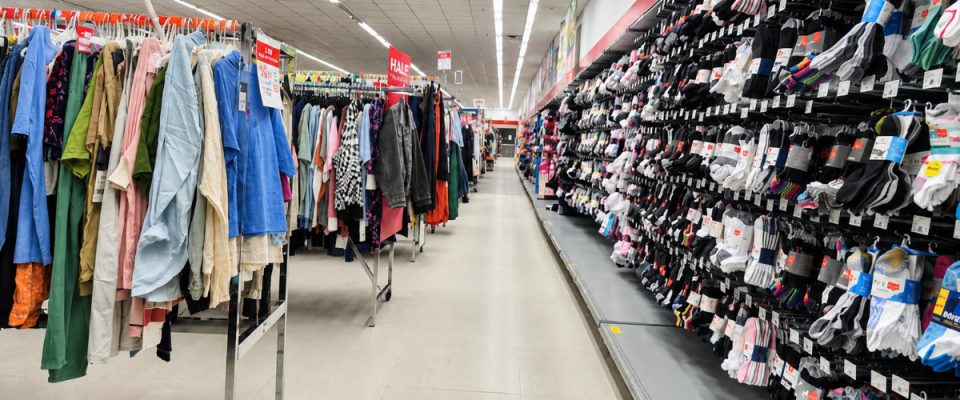
Research shows that clothing consumption per person in Nordic countries is significantly higher than the global average, while only a limited share of donated garments is reused locally. According to the European Economic Area, around 1.7 million tonnes of textiles were exported from wealthier countries to lower-income nations in 2019. A separate study by McKinsey found that garments in the Nordic region are typically worn only seven to eight times before disposal, with less than one percent being recycled into new textile products through closed-loop recycling systems.
Lone Kristiansen, a member of the Nordic Youth Council, said many consumers want to make more sustainable purchasing choices but often lack access to clear information about how products are produced. She stressed the need for greater transparency throughout the textile value chain to help consumers make informed decisions.
Globally, synthetic and fossil fuel-based fibres account for nearly 62 percent of textile production, contributing heavily to carbon emissions. In Europe alone, approximately 600,000 tonnes of textiles are incinerated every year. The European Union’s textile strategy under the Waste Framework Directive seeks to reduce resource consumption by making manufacturers more accountable for the amount of clothing produced, destroyed and exported.
In 2024, Nordic countries started collaborating on a common framework for textile producer responsibility as part of broader regional sustainability efforts. Additionally, a new EU directive set to take effect in September will require companies to provide improved sustainability-related information to consumers.
The Nordic region already has established sustainability tools such as the Nordic Swan Ecolabel, a voluntary environmental certification recognised by nearly 97 percent of residents. The ecolabel assesses products across their full lifecycle and applies strict standards to textiles, including requirements related to recyclability, chemical restrictions and reduced use of plastic or decorative materials.
The certification also obliges manufacturers to monitor microplastic emissions, bans the incineration of unsold products, sets fibre content requirements and requires compliance with International Labour Organisation labour standards.
Despite strong consumer awareness and trust in the Nordic Swan Ecolabel, only a small number of regional clothing brands currently hold the certification. The Nordic Council’s latest initiative is expected to encourage wider adoption of recognised sustainability certifications in an effort to strengthen responsible practices across the fashion and textile industry.