


Italian fashion and apparel group has announced plans to establish two new manufacturing facilities in Egypt as part of its strategy to expand export-oriented production operations in the region.
The proposed factories will operate under Egypt’s private free zone system, which offers foreign investors incentives such as tax and customs exemptions, simplified import-export procedures, unrestricted profit repatriation, and full foreign ownership.
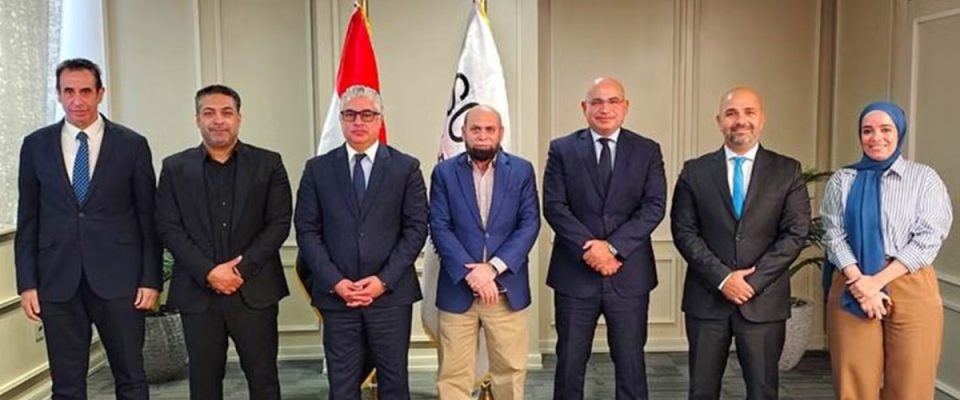
The announcement followed discussions in Cairo between Egypt’s General Authority for Investment and Free Zones (GAFI) and an Oniverse delegation led by Francesco Ruvolo, Production Operations Director at the company’s facilities in Bosnia and Croatia.
According to GAFI, the project will establish an integrated textile and apparel production chain in Egypt, covering operations from yarn manufacturing to finished ready-made garments. All output from the planned factories will be exported through Oniverse’s international retail and distribution network, which spans nearly 5,700 stores across more than 57 countries.
Production at the facilities is expected to begin by the end of 2027, with the investment projected to generate more than 3,000 direct jobs in Egypt’s textile and garment sector.
Mohamed Awad, CEO of GAFI, stated that Egyptian authorities are prepared to provide full support to accelerate project implementation and facilitate investment procedures. Discussions also included the possibility of granting the project Egypt’s “Golden License,” a unified approval mechanism designed for strategic investment projects.
Founded in 1986 by Italian entrepreneur, Oniverse — formerly known as Calzedonia Group — operates internationally through brands including Calzedonia, Intimissimi, Tezenis, Falconeri, and Antonio Marras. The company maintains a vertically integrated manufacturing and retail model with production facilities across Europe, Africa, and Asia.
Industry observers believe the investment reflects Egypt’s growing attractiveness as a textile manufacturing hub due to its strategic geographic location, export incentives, and access to international markets. The project is also expected to strengthen Egypt’s position within global apparel supply chains while supporting employment generation and industrial growth in the country’s textile sector.