


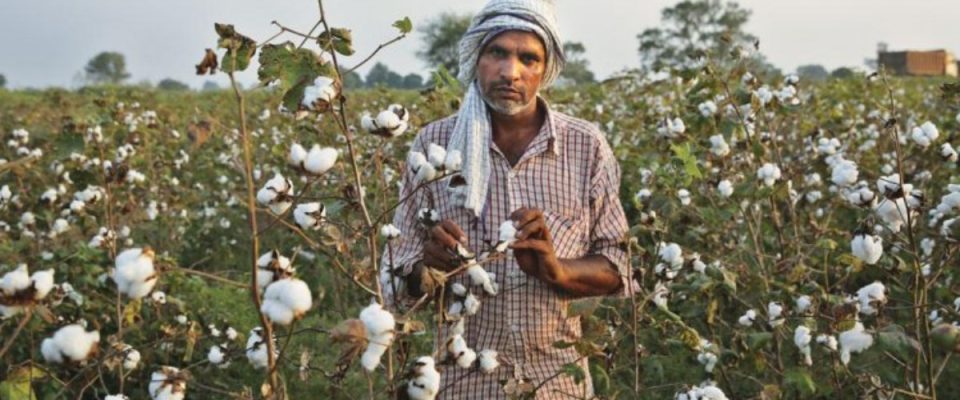
The adoption of scientific and sustainable agricultural practices is expected to significantly boost global demand for Indian cotton, according to industry experts and agricultural stakeholders.
Increasing focus on environmentally responsible cultivation methods, efficient water management, and improved crop productivity is helping position Indian cotton as a preferred choice in international textile markets.
India remains one of the world’s largest cotton producers, with nearly 50 to 60 million people depending on cotton cultivation, processing, marketing, and exports for their livelihoods. The country also accounts for one of the largest areas under cotton cultivation globally, making the crop a vital component of India’s agricultural and textile economy.
Industry experts note that despite India’s strong production base, challenges such as excessive water consumption, overuse of fertilizers and pesticides, pest infestations, and inconsistent productivity levels continue to affect the sector. There remains a significant gap between India’s cotton yield per hectare and global averages, impacting both farmer income and land efficiency.
To address these challenges, agricultural companies and experts are increasingly promoting scientific farming techniques such as micro-irrigation, drip irrigation, controlled fertilizer application, intercropping, and sustainable pest management practices. Studies indicate that these technologies can improve water-use efficiency, reduce input costs, enhance soil quality, and increase crop productivity.
Experts believe that sustainable cotton cultivation is becoming increasingly important as global textile brands and consumers place greater emphasis on environmentally responsible sourcing. Following the COVID-19 pandemic, international textile supply chains have shown rising preference for sustainably produced natural fibres, creating new export opportunities for Indian cotton growers.
The Indian textile industry itself has also witnessed growing domestic and export demand for cotton and cotton-based products. Industry reports suggest that strong demand from spinning mills and textile manufacturers has supported improved market conditions for cotton producers in recent years.
Modern agricultural technologies, including drip irrigation systems, are being promoted as key tools for improving cotton farming sustainability. According to experts, these systems can significantly reduce water consumption while increasing fertilizer efficiency and crop yields. Such measures not only support environmental sustainability but also help improve farmers’ profitability and long-term resilience.
Researchers and agricultural experts further highlight that awareness campaigns, farmer training programmes, and adoption of climate-smart farming methods will be crucial for enhancing India’s competitiveness in the global cotton market.
With growing international focus on sustainable textiles and responsible sourcing, industry observers believe that scientific farming practices could play a major role in strengthening India’s position as a leading supplier of high-quality cotton to global textile manufacturers.