


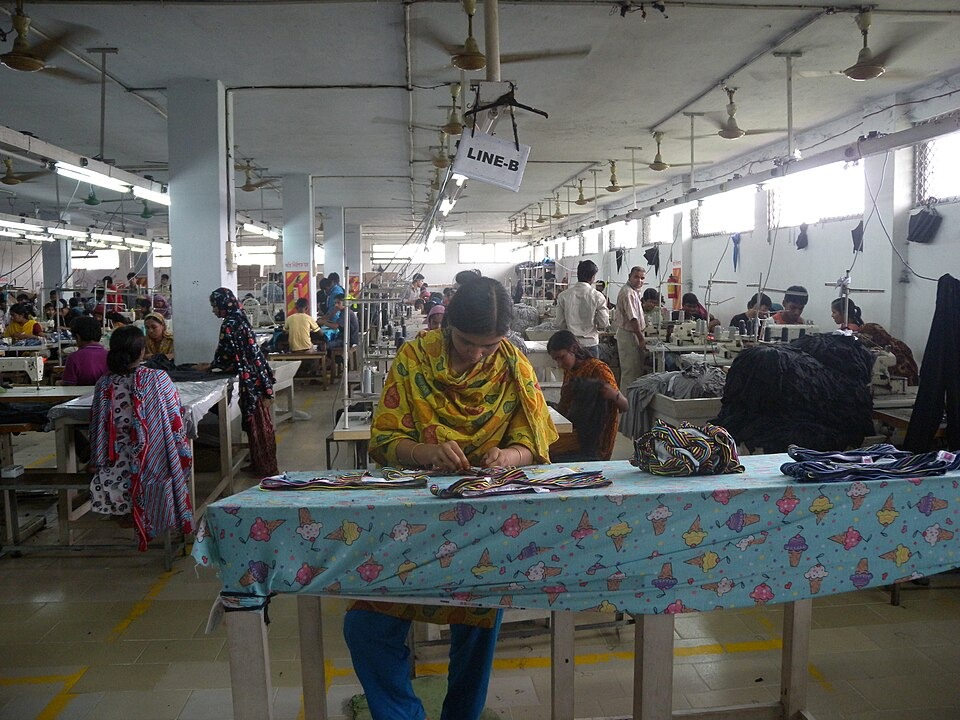
RMG Industry in Bangladesh: Fire, Electrical and Building Safety
The Ready-Made Garment (RMG) industry in Bangladesh has emerged as a major pillar of the country’s economy. Since its early development, the industry has grown rapidly and has contributed significantly to export earnings, employment generation, poverty reduction, infrastructure development and women’s empowerment.
The United States and the European Union remain among the most important export markets for Bangladesh’s garment industry. With millions of workers employed across the sector, maintaining safe and healthy working conditions is essential for the industry’s sustainable growth and international competitiveness.
Fire, Electrical and Building Safety
RMG manufacturing facilities must maintain robust fire, electrical and building safety procedures to protect workers and prevent accidents such as fires, explosions, electrical short circuits and structural failures.
Factories should establish adequate controls, conduct regular inspections and maintenance, provide appropriate emergency systems, and ensure that workers and management are properly trained to respond to potential hazards.
Following a number of major industrial accidents, international initiatives such as the Accord and the Alliance for Bangladesh Worker Safety played an important role in strengthening fire, electrical, building and worker safety standards in Bangladesh’s RMG sector.
Fire Safety and Protection
The primary objective of fire safety is to protect human life and ensure that workers can safely evacuate a facility in the event of a fire.
Fire Prevention and Fire Protection Systems
Factories should have effective systems to prevent and control fires. Key fire protection measures include:
- Automatic sprinkler systems
- Fire hydrant and hose-reel systems
- Suitable fire extinguishers
- Fire detection and alarm systems
- Regular inspection and maintenance of fire protection equipment
These systems should be designed, installed and maintained according to applicable safety standards and requirements.
2. Early Warning and Fire Detection
Early detection is critical in reducing the impact of a fire. Factories should have reliable fire detection and alarm systems capable of immediately alerting workers and management.
Emergency alarms should be clearly audible throughout the facility, and workers should be trained to understand the alarm and follow established evacuation procedures.
3. Fire Containment
Fire containment helps prevent a fire from spreading rapidly throughout a building.
This can be achieved through properly designed fire compartments, fire-resistant walls and floors, fire-rated doors and protected stairwells. In multi-storey buildings, appropriate fire barriers should be provided between floors and around areas where additional fire protection is required.
Sprinkler systems can also help control a fire at its source and provide valuable additional time for evacuation and emergency response.
4. Safe and Efficient Evacuation
A safe evacuation system is one of the most important elements of workplace fire safety.
Factories should provide adequate emergency exits, normally including at least two independent means of escape where required by applicable regulations. Exit routes, corridors and stairways must remain unobstructed and readily accessible at all times.
Emergency exits should never be locked, blocked or used for storage. Exit doors should be clearly marked, properly illuminated and designed to allow workers to leave the building quickly during an emergency.
Factories should also conduct regular fire drills so that workers understand evacuation routes, assembly points and emergency procedures.
The Role of the Accord
The Accord on Fire and Building Safety in Bangladesh was established to improve safety conditions in garment factories supplying international brands and retailers.
Its safety approach focused strongly on life safety, including fire prevention, fire protection, structural safety, electrical safety, inspections, remediation and worker awareness.
The key areas of fire life safety include:
- Fire prevention and protection
- Early detection and warning
- Fire containment
- Safe evacuation
- Regular inspections and corrective actions
- Worker training and awareness
The Alliance for Bangladesh Worker Safety
The Alliance for Bangladesh Worker Safety was established with the vision of substantially improving working conditions in Bangladesh’s RMG industry.
Its approach included upgrading factory safety standards, training workers and management, empowering workers—particularly women—and strengthening institutions capable of maintaining safe working conditions.
The Alliance’s activities were organised around five strategic pillars:
1.Standards & Inspections
2.Remediation
3.Worker Empowerment
4.Training
5.Sustainability
Building a Safer RMG Industry
Fire, electrical and structural safety cannot be achieved through inspections alone. Safety must become an integral part of factory management and everyday operations.
Regular risk assessments, preventive maintenance, worker training, emergency drills, effective management systems and timely remediation of identified hazards are essential to maintaining safe workplaces.
For Bangladesh’s RMG industry, continued investment in safety is not only a responsibility towards workers but also an important foundation for maintaining the confidence of global brands and buyers.
A safer workplace creates a stronger and more sustainable garment industry—one capable of supporting Bangladesh’s economic growth while protecting the millions of people whose livelihoods depend on the sector.
Article by:
Mr.Tanbir Hasan (Sanid)
Chairman
Reveree (Fashion Starts Here), Bangladesh.