


The global textile industry continues to face mounting environmental challenges, with only a small percentage of textile fibres currently being recycled and synthetic fabrics contributing significantly to microplastic pollution in oceans.
During regular washing, synthetic textiles release tiny plastic particles that eventually enter waterways and marine ecosystems, while many petroleum-based fibres remain difficult to recycle effectively.
Researchers at Washington University in St. Louis have now developed a potential solution through advanced synthetic biology research led by Fuzhong Zhang. Their findings, published in the Advanced Materials, describe the creation of recyclable protein-based textile materials designed to reduce waste and microplastic pollution.
The newly developed materials are produced in bioreactors using genetically engineered microbes and can be repeatedly recycled into new fibres without losing their strength or functionality. Importantly, any microscopic particles released during washing are biodegradable, unlike conventional synthetic microplastics.
According to the research team, the protein fibres dissolve rapidly in a formic acid solution while remaining stable and durable in water after drying. Formic acid, which is widely used in industrial applications such as leather processing, textile dyeing and cleaning, breaks down the interactions holding the fibres together without damaging the protein structure itself. Once the solvent evaporates, the raw protein material can be reused to produce fibres with the same properties and strength.
Traditional plastic recycling often faces challenges because recycled materials can weaken over time, especially when additives and contaminants are present. Other recycling methods require breaking and rebuilding chemical bonds, which increases energy use and costs. The researchers aimed to overcome these limitations by designing materials that combine both durability and recyclability.
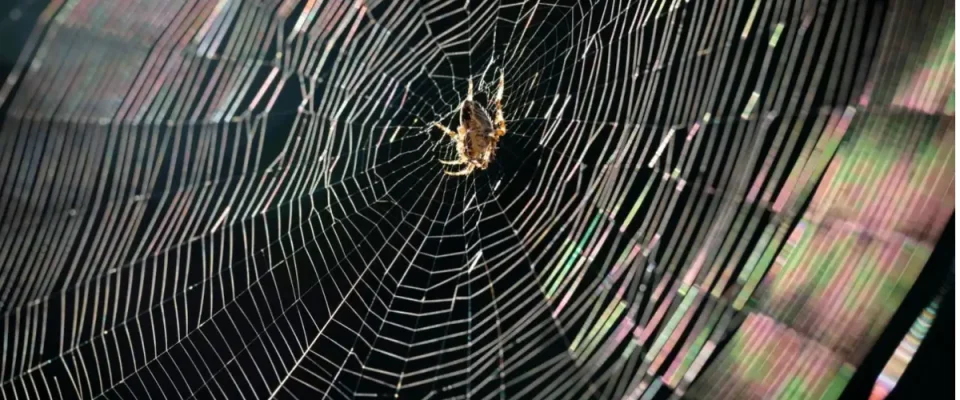
To achieve this, the team drew inspiration from natural proteins. They combined genetic sequences derived from mussel foot proteins, spider silk and amyloids using protein engineering techniques. The resulting material, named SAM (silk-amyloid-mussel protein hybrid), was designed so that its strength and recyclability could be controlled independently.
The mussel-inspired protein sequences help regulate how easily the fibres dissolve during recycling while preventing shrinkage when exposed to moisture. Meanwhile, spider silk and amyloid components help restore strong molecular interactions after the fibres are remade, maintaining material performance through repeated recycling cycles.
Researchers successfully demonstrated the process by dissolving and reproducing the fibres multiple times while preserving their mechanical strength. The recycled proteins could also be converted into adhesive hydrogels for other applications and later recycled again into either fibres or gels.
The team believes that establishing a closed-loop recycling system for protein-based textiles could significantly reduce manufacturing costs over time. Since biomanufacturing remains expensive, recyclable systems like this could help make sustainable textile production more commercially viable and accessible across broader industries.