


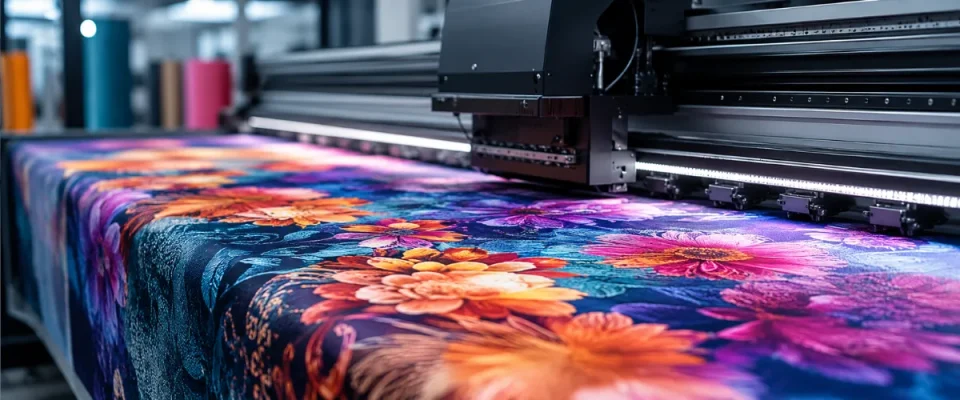
Digital Printing Reshaping the Future of Textile Production
The textile industry is undergoing a major transformation as digital printing technology gains momentum across global manufacturing hubs. Once considered a niche solution for short production runs and customized designs, digital textile printing is now becoming a strategic investment for manufacturers seeking greater efficiency, sustainability, and market responsiveness.
Driven by changing consumer preferences and the growing demand for personalization, brands are increasingly moving away from traditional printing methods toward digital solutions that offer flexibility and speed without compromising quality.
Meeting the Demand for Customization
Today’s consumers expect unique products, faster delivery times, and frequent design updates. Digital printing allows textile manufacturers to produce intricate patterns, vibrant colors, and customized designs without the lengthy setup processes associated with conventional screen printing.
This capability enables brands to launch smaller collections, test new designs quickly, and respond to fashion trends in real time.
Reducing Water and Chemical Consumption
Sustainability has become a key priority for the textile sector, and digital printing is helping manufacturers significantly reduce their environmental footprint.
Unlike traditional printing processes that require large volumes of water, chemicals, and energy, digital printing applies ink directly onto fabric with minimal waste. This results in lower water consumption, reduced chemical usage, and decreased wastewater generation, making it an attractive solution for environmentally conscious manufacturers.
Faster Production Cycles
Speed-to-market has become a critical competitive advantage in the fashion and textile industry. Digital printing eliminates the need for screens, plates, and extensive setup procedures, allowing manufacturers to move from design to production much faster.
This streamlined workflow enables shorter lead times, faster sampling, and improved responsiveness to customer demands.
Supporting On-Demand Manufacturing
One of the most significant advantages of digital textile printing is its ability to support on-demand production models. Manufacturers can produce only what is needed, reducing excess inventory and minimizing unsold stock.
As fashion brands seek more agile supply chains, on-demand production is emerging as a powerful strategy to improve profitability while reducing waste.
Advancements in Print Technology
Recent developments in printhead technology, ink formulations, and automation systems have improved print quality, productivity, and durability. Modern digital textile printers can handle a wide range of fabrics, including cotton, polyester, silk, and blended materials, opening new opportunities across fashion, home textiles, sportswear, and technical textiles.
Artificial intelligence and smart manufacturing technologies are also being integrated into digital printing workflows, helping manufacturers optimize production planning, monitor quality, and improve operational efficiency.
Opportunities for Textile Manufacturers
Countries with strong textile manufacturing ecosystems, including India, are increasingly investing in digital printing capabilities to strengthen their global competitiveness. The technology enables manufacturers to offer higher-value services, attract premium customers, and differentiate themselves in a rapidly evolving marketplace.
As brands continue to prioritize sustainability, customization, and speed, digital printing is expected to play an even greater role in shaping the future of textile production.
The Road Ahead
Digital textile printing is no longer an emerging technology—it is becoming a cornerstone of modern textile manufacturing. By combining design flexibility, environmental benefits, and production efficiency, digital printing is helping the industry move toward a smarter, more sustainable, and customer-focused future.
For textile manufacturers looking to remain competitive in an increasingly dynamic market, embracing digital printing may be one of the most important investments of the decade.