


India’s New Tariff Advantage Leaves Textile Sector ‘No Excuses Left’, Says Piyush Goyal
India’s textile industry can no longer attribute weak export performance to tariff disadvantages, Commerce and Industry Minister Piyush Goyal has said, urging the sector to focus on competitiveness, productivity, quality and scale as the country gains improved access to major global markets.
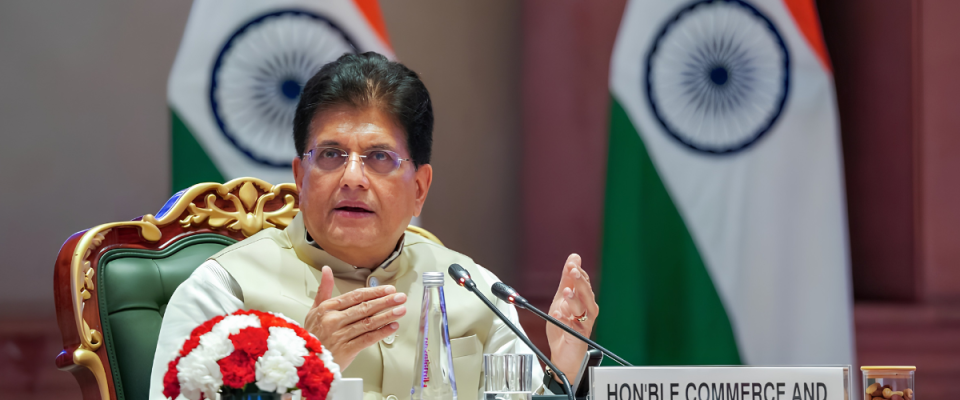
Speaking at the national workshop on ‘Leveraging FTAs: An Outreach Programme’ in New Delhi, Goyal said India’s trade position has strengthened significantly, with Indian products now receiving tariff rates comparable to, or in some cases lower than, those faced by key competitors such as Bangladesh and Vietnam.
For years, Indian textile exporters faced higher duties in several developed markets compared with competitors. Bangladesh benefited from duty-free or preferential access under its Least Developed Country status, while Vietnam gained from an extensive network of free trade agreements. These differences often put Indian exporters at a price disadvantage.
According to Goyal, recent trade agreements have changed this competitive landscape by providing Indian businesses with better market access. The development is particularly significant for labour-intensive industries such as textiles, where even small differences in import duties can influence global sourcing decisions.
“With no more excuses left except performance. The ball is now entirely in our court,” Goyal said, calling on the textile industry to make better use of the opportunities created through India’s expanding network of trade agreements.
The government’s broader strategy is focused on translating free trade agreements into greater export opportunities for Indian businesses. Goyal said India has signed nine FTAs covering economies with a combined GDP of around $60 trillion, providing preferential access to markets representing nearly two-thirds of global trade.
With tariff barriers becoming less of a constraint, the minister urged the textile sector to strengthen its competitiveness through higher productivity, consistent quality, greater production scale and reliable delivery.
The message comes as India seeks to expand its share of global textile and apparel trade and position itself as a stronger alternative in international sourcing markets.