


The initiative is integrating Livaeco viscose, modal and lyocell with traditional handloom weaving, supporting product innovation, sustainability and artisan development.
Birla Cellulose is expanding the adoption of sustainable cellulosic fibres across India’s handloom clusters, helping weavers combine traditional craftsmanship with improved comfort, drape and sustainability.
The initiative promotes the use of Livaeco Viscose, Livaeco Modal and Livaeco Lyocell as standalone fibres or in blends with traditional materials such as cotton and silk. The approach is intended to help handloom producers address fluctuations in conventional yarn availability and pricing while developing products suited to changing consumer preferences.
The programme goes beyond fibre supply, with Birla Cellulose providing yarn seeding, technical assistance for dyeing and product development, product testing and mechanisms for supplying smaller quantities of yarn to individual weavers. Cone-to-hank conversion facilities have also been introduced to simplify fibre adoption within traditional weaving operations.
Assam was the first pilot hub, with the programme subsequently expanding to Odisha, West Bengal, Gujarat, Madhya Pradesh and Uttar Pradesh. Partnerships with organisations including ARTFED, KHAMIR, the Kutch Weavers Association and state-supported handloom societies have supported the wider rollout.
Product development has included combinations such as silk with Livaeco Modal in Chanderi fabrics, as well as Banarasi fabrics incorporating Livaeco Modal and Livaeco Lyocell.
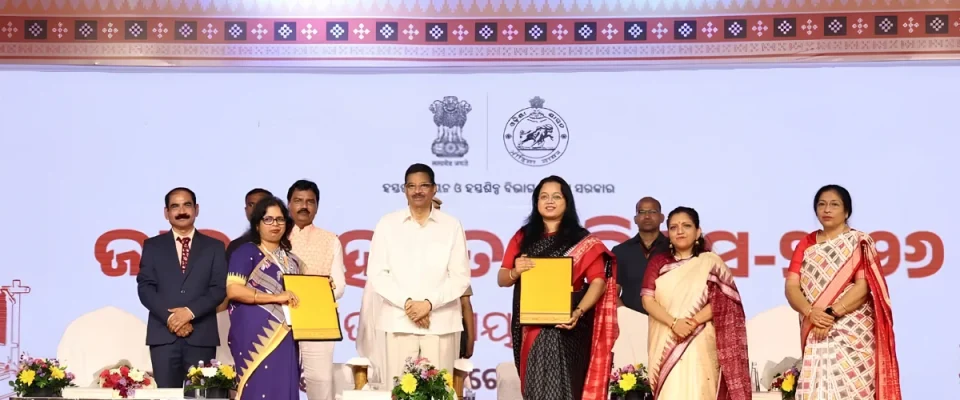
In Odisha, Birla Cellulose has also signed a Memorandum of Understanding with the State Agency for Development of Handloom Cluster (SADHAC) to develop innovative handloom fabrics using Livaeco Lyocell. The collaboration aims to combine Lyocell with traditional handloom yarns while retaining the region’s weaving identity and improving comfort, versatility and sustainability.
The programme has gained significant scale over the past year. More than 150 micro-meets and hub engagements have been conducted across states including Assam, Meghalaya, Mizoram, Gujarat, Odisha, Tamil Nadu and Uttar Pradesh. The initiative has added more than 80 partners and trained approximately 7,000 weavers.
According to Birla Cellulose, nearly 3,500 tonnes of fibre and yarn are now consumed annually within the participating handloom ecosystem. The company views the initiative as a way to strengthen domestic textile value chains while enabling artisans and small enterprises to diversify their products and respond to evolving market requirements.
By combining cellulosic fibre innovation with established regional weaving techniques, the programme is creating opportunities for India’s handloom sector to develop contemporary products while maintaining its traditional craftsmanship.