
The country is targeting integrated manufacturing and higher-value exports through industrial infrastructure, investment opportunities and stronger international partnerships.
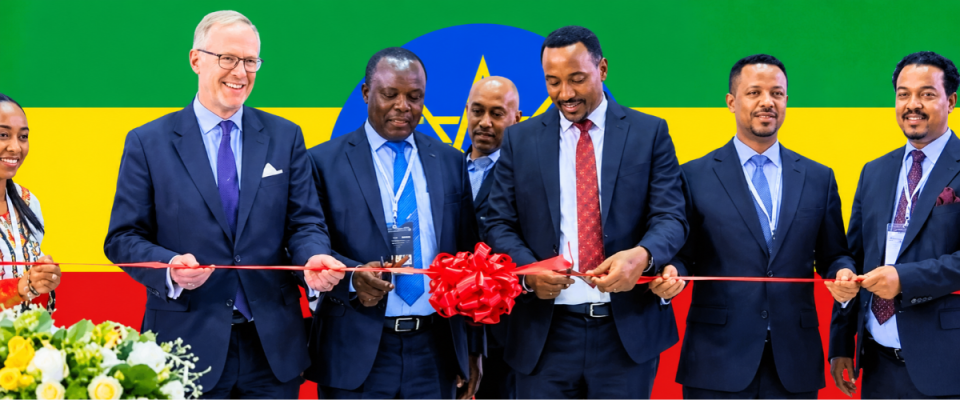
Ethiopia is stepping up efforts to attract domestic and international investment into its textile, garment and leather industries, with a focus on expanding local processing, strengthening manufacturing capacity and increasing exports of finished products. The initiative was highlighted during the 12th African Sourcing and Fashion Week (ASFW), which opened on November 12, 2026, at the Addis International Convention Center.
The four-day event brought together more than 250 exhibitors, with over 6,000 trade visitors and buyers from more than 70 countries expected to participate. It provided a platform for manufacturers, international buyers, investors and industry stakeholders to explore business partnerships and opportunities in Ethiopia’s manufacturing sector.
Speaking at the opening ceremony, State Minister of Industry Dagato Kumbe highlighted the government’s ambition to develop internationally competitive textile and garment industries by connecting every stage of production, from raw materials to finished products. The country’s priorities include strengthening cotton cultivation, spinning, weaving, garment manufacturing and fashion branding, while improving product quality and compliance with international standards.
Ethiopia is also encouraging investment in leather processing and footwear manufacturing to increase the domestic value addition of its livestock resources. The government aims to move beyond exporting raw hides, skins and semi-processed leather towards producing finished leather goods and footwear. The planned Mojo Leather City Industrial Park has been identified as a major opportunity to attract investors and expand manufacturing capabilities.
Fesseha Yitagesu, Chief Executive Officer of the Industrial Parks Development Corporation (IPDC), said Ethiopia had established 14 special economic zones over the past decade. These zones have attracted more than 300 domestic and international investors and generated over 100,000 jobs, supporting the country’s industrial development and manufacturing expansion.
Goshu Negash, President of the Ethiopian Textile and Garment Manufacturers Association, highlighted Africa’s relatively limited participation in global textile and clothing exports despite accounting for approximately 8% of worldwide raw cotton production. He called for stronger policies, improved infrastructure and greater investment across textile value chains to enhance the region’s international competitiveness.
International cooperation is also expected to support the development of the leather sector. Sarah Gillespie, Agricultural Counsellor at the US Embassy in Ethiopia, highlighted collaboration between American leather suppliers and African designers. She noted that the United States exports approximately $700 million worth of hides and skins globally, while exports to Africa account for less than $1 million, indicating scope for stronger trade connections and supplier partnerships.
Through the exhibition and its broader investment initiatives, Ethiopia aims to connect manufacturers with international buyers, encourage technology partnerships and strengthen access to global markets. The country’s focus on integrated textile production and finished leather manufacturing reflects its ambition to retain more value within domestic industries and build stronger export-oriented manufacturing capabilities.