


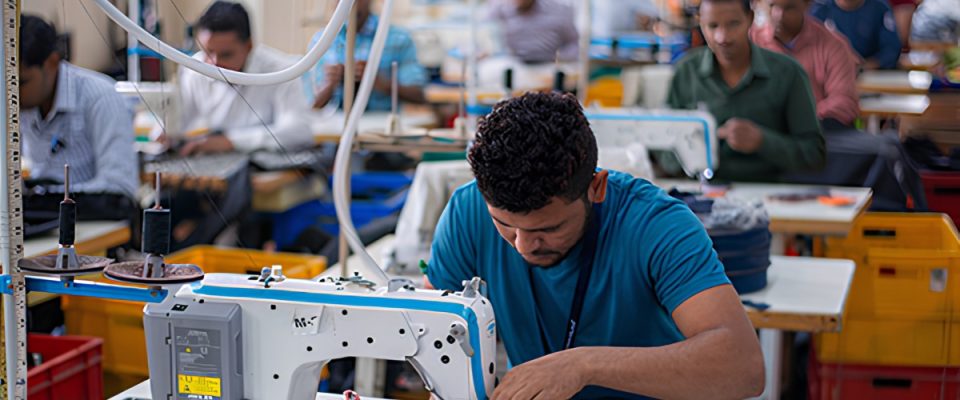
Indian garment exporters are expanding into European and domestic markets to reduce reliance on the US amid rising tariff pressures and trade uncertainties.
Indian garment manufacturers are increasingly diversifying their export markets following tariff increases in the United States that have affected orders and profit margins. Several companies are reducing their dependence on the US by expanding into Europe, the United Kingdom and India’s domestic apparel market. Orient Craft, which previously generated 84% of its sales from the US, has reduced its exposure to the market to less than 10%, reflecting a broader shift in export strategies among Indian manufacturers.
Major garment exporters are also strengthening their presence in European markets. Gokaldas Exports plans to increase Europe’s contribution to its revenue to 25%-30% over the next three to five years while gradually reducing its reliance on the US. Between April and August 2026, India’s textile, apparel and home-furnishing exports to the US declined by 9.8% year-on-year to $4 billion. In comparison, exports to other international markets increased by 3.7% to $15.2 billion. Trade agreements with the United Kingdom and the proposed agreement with the European Union are expected to create additional opportunities for Indian textile exporters.
Manufacturers are also exploring new domestic production locations to improve operational efficiency and manage costs. Ranchi in Jharkhand is emerging as an attractive manufacturing destination due to government incentives, easier access to land and workforce availability. At the same time, companies are looking towards India’s domestic apparel market, valued at approximately $150 billion and growing annually by 7%-8%, to strengthen their business against international trade uncertainties.
While the United States remains an important destination for Indian garment exports, manufacturers are increasingly adopting diversified strategies across markets, customers and product categories. This shift reflects the industry’s efforts to build a more resilient export business and reduce its exposure to changing global trade policies.