


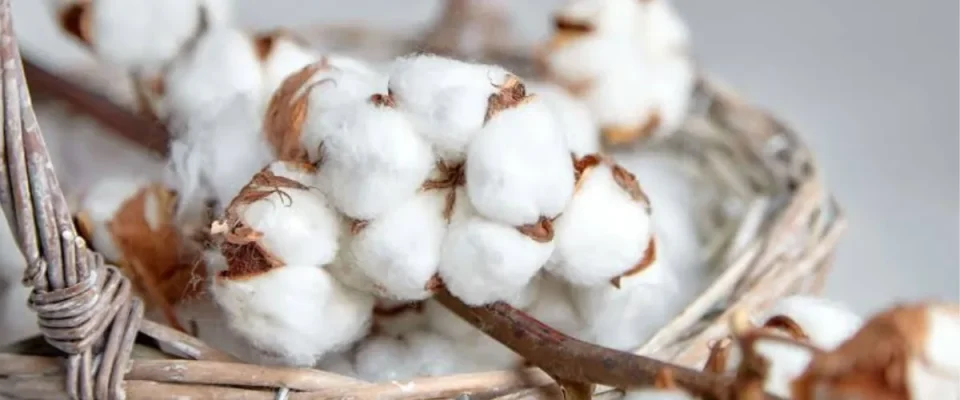
Myanmar Government Unveils Cotton Growth Plan for Textile Sector
Myanmar’s government has reaffirmed its commitment to expanding cotton cultivation and developing agro-based industries to strengthen the country’s textile sector and increase export earnings.
Speaking at the “From Cotton Cultivation towards Textile Industry” seminar in Magway, President U Min Aung Hlaing said the government will continue supporting cotton production to achieve a target yield of 700 viss per acre, a move that could generate an estimated US$500 million in additional export revenue through surplus cotton sales.
The President highlighted that Myanmar has already made progress in reviving cotton cultivation. Nationwide average cotton yield increased from 436 viss per acre during the 2021–2022 season to 499.2 viss per acre in the 2025–2026 planting season. Cotton cultivation area also expanded from more than 390,000 acres to over 540,000 acres, with total production exceeding 27.43 million viss.
To further improve productivity, the government plans to support farmers through solar-powered irrigation systems, increased farm mechanisation, including the use of feed seeders, and continued agricultural research aimed at producing high-quality cotton suitable for domestic textile manufacturing and exports.
The President also called on the Ministry of Agriculture, Livestock and Irrigation, the Ministry of Cooperatives and Rural Development, and the Ministry of Industry and MSME Development to work closely with cotton growers to improve yields and strengthen the country’s cotton value chain.
Following the seminar, the President visited the Regional Research Centre in Magway, where he reviewed research on improved seed varieties, organic fertilisers, natural pesticides and advanced seed treatment technologies. He stressed the importance of developing certified, high-quality crop varieties that meet international market standards.
Myanmar views increased cotton production as a key step toward strengthening its textile manufacturing sector, reducing reliance on imported raw materials and creating greater value through domestic textile production.
NEWS COURTESY : The Global New Light of Myanmar