


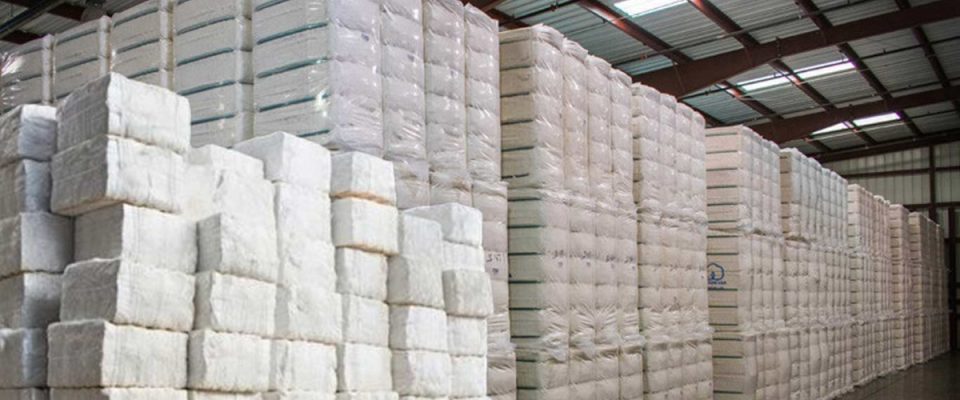
The Indian government is considering the removal of import duty on cotton in an effort to support the domestic textile industry, which is facing rising raw material costs and supply challenges.
Industry sources indicate that discussions are underway to eliminate the existing 11 percent import duty on cotton, a move that could help textile manufacturers access cotton at more competitive global prices. The proposal comes amid concerns over higher domestic cotton prices, which have impacted spinning mills, fabric manufacturers, and apparel exporters.
Textile industry representatives have reportedly urged the government to ease import restrictions, stating that elevated cotton prices are reducing India’s competitiveness in global textile and garment markets. Manufacturers believe duty-free cotton imports could help stabilize raw material availability and improve export performance.
India is one of the world’s largest producers and consumers of cotton, but fluctuations in production, weather conditions, and market demand have contributed to price volatility in recent seasons. Industry experts say lower import costs could help maintain consistent supply for spinning and textile operations.
The Confederation of Indian Textile Industry (CITI) and other industry bodies have supported the proposal, arguing that cheaper cotton imports would benefit downstream textile sectors, including yarn, fabric, home textiles, and garments.
However, some farmer groups are concerned that reducing import duties could affect domestic cotton prices and impact local growers. The government is expected to balance the interests of both farmers and textile manufacturers before making a final decision.
The textile sector remains one of India’s largest employment-generating industries and a major contributor to exports. Industry stakeholders believe that easing cotton imports could strengthen the country’s textile value chain and improve international competitiveness.