


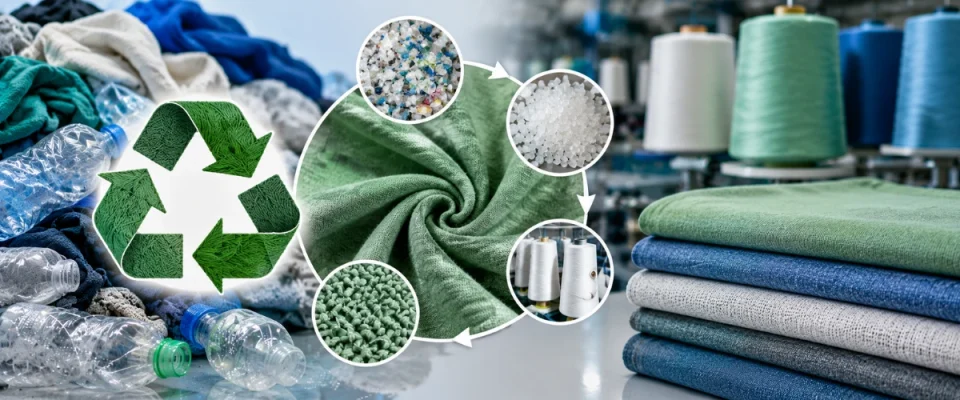
The Rise of Recycled Fibers: Transforming Textile Manufacturing
The textile industry is undergoing a significant shift as sustainability moves from a niche concern to a business imperative. Among the most impactful developments is the growing adoption of recycled fibers, which are reshaping how textiles are produced, sourced, and consumed. As brands, manufacturers, and consumers seek more environmentally responsible solutions, recycled fibers are emerging as a cornerstone of the industry’s transition toward a circular economy.
A New Era for Sustainable Textiles
For decades, textile manufacturing has relied heavily on virgin raw materials such as cotton, polyester, and nylon. While these materials have enabled large-scale production, they have also contributed to resource depletion, waste generation, and environmental challenges.
Recycled fibers offer an alternative approach by transforming post-consumer and post-industrial waste into valuable raw materials. From discarded plastic bottles and used garments to textile production scraps, materials once destined for landfills are now being converted into high-quality fibers for new products.
Why Recycled Fibers Matter
The global textile industry faces increasing pressure to reduce its environmental footprint. Recycled fibers help address several critical challenges:
Reducing Waste
Millions of tons of textile waste are generated annually worldwide. Recycling initiatives divert significant volumes of waste from landfills and incineration facilities, extending the lifecycle of valuable materials.
Conserving Resources
Producing recycled fibers generally requires fewer natural resources compared to manufacturing fibers from virgin materials. This helps reduce dependence on raw material extraction and supports more sustainable production practices.
Lowering Carbon Emissions
Many recycled fiber production processes generate fewer greenhouse gas emissions than conventional fiber manufacturing, contributing to corporate climate goals and sustainability commitments.
The Growth of Recycled Polyester
Among recycled textile materials, recycled polyester has experienced particularly strong growth. Produced primarily from recycled PET plastic bottles, recycled polyester enables manufacturers to reduce reliance on virgin petroleum-based resources while maintaining performance characteristics similar to conventional polyester.
The material is increasingly used in:
- Sportswear
- Fashion apparel
- Home textiles
- Automotive textiles
- Industrial applications
Global brands are incorporating recycled polyester into their collections as part of broader sustainability strategies and environmental commitments.
Cotton Recycling Gains Momentum
Cotton recycling is also attracting significant attention. Mechanical and chemical recycling technologies are enabling manufacturers to recover fibers from textile waste and reintroduce them into production processes.
As innovations improve fiber quality and scalability, recycled cotton is becoming an increasingly viable option for apparel and home textile applications.
The growth of textile-to-textile recycling represents a major step toward closing the loop within the industry.
Technology Driving Innovation
Advancements in recycling technologies are accelerating the adoption of recycled fibers. New chemical recycling processes can break down textile materials into their molecular components, allowing fibers to be regenerated with quality levels comparable to virgin materials.
Artificial intelligence and automated sorting systems are also improving recycling efficiency by identifying and separating textile waste streams more accurately.
These technological breakthroughs are helping overcome longstanding challenges related to fiber quality, contamination, and scalability.
Brands Embrace Circular Fashion
Consumer demand for sustainable products has encouraged fashion and textile brands to invest heavily in recycled materials. Many leading companies have established targets for incorporating recycled fibers into their product portfolios and reducing dependence on virgin resources.
Transparency, traceability, and sustainability reporting have become key priorities as brands seek to demonstrate environmental responsibility throughout their supply chains.
Challenges Remain
Despite growing momentum, several obstacles continue to affect widespread adoption.
Key challenges include:
- Limited collection and recycling infrastructure
- Fiber quality degradation in some recycling processes
- Higher production costs for certain recycled materials
- Complex textile blends that are difficult to recycle
- Supply chain traceability requirements
Addressing these challenges will require collaboration among manufacturers, technology providers, policymakers, recyclers, and brands.
The Future of Textile Manufacturing
The rise of recycled fibers signals a fundamental transformation in textile manufacturing. As technology advances and sustainability expectations continue to grow, recycled materials are expected to play an increasingly important role in global fiber production.
Manufacturers that invest in recycling technologies, circular business models, and sustainable sourcing strategies will be better positioned to meet future market demands while reducing environmental impact.
Conclusion
Recycled fibers are no longer an emerging trend—they are becoming an essential component of modern textile manufacturing. By turning waste into valuable resources, the industry is taking meaningful steps toward greater sustainability, resource efficiency, and circularity.
As innovation continues to accelerate, recycled fibers have the potential to redefine how textiles are produced, creating a more resilient and environmentally responsible future for the global textile industry.