


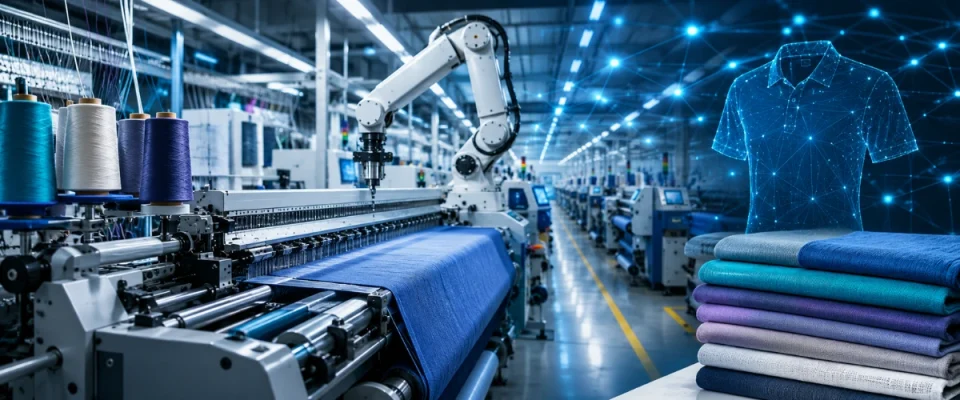
AI in Textiles: How Smart Manufacturing Is Changing the Industry
The textile industry is entering a new era driven by artificial intelligence (AI), automation, and data-driven manufacturing. Long known for its labor-intensive processes, the sector is now embracing smart technologies that are transforming everything from production planning and quality control to supply chain management and product innovation.
As global competition intensifies and sustainability requirements become more demanding, textile manufacturers are increasingly turning to AI-powered solutions to improve efficiency, reduce waste, and enhance profitability.
The Rise of Smart Textile Manufacturing
Smart manufacturing combines artificial intelligence, machine learning, automation, sensors, and real-time data analytics to create more efficient and responsive production environments. In modern textile mills, AI systems can monitor machinery performance, analyze production data, and identify potential issues before they disrupt operations.
Unlike traditional manufacturing methods, smart factories continuously collect and process information, enabling faster decision-making and greater operational control.
Revolutionizing Quality Control
Quality assurance has always been a critical challenge in textile production. Even minor defects can lead to significant losses and customer complaints.
Today, AI-powered computer vision systems are transforming inspection processes. High-speed cameras and machine learning algorithms can detect fabric defects, color inconsistencies, weaving errors, and surface imperfections with remarkable accuracy. These systems operate continuously and often identify issues faster than manual inspections, helping manufacturers maintain consistent product quality.
Predictive Maintenance Reduces Downtime
Unexpected machine failures can disrupt production schedules and increase operating costs. AI-driven predictive maintenance helps manufacturers address this challenge by monitoring equipment performance in real time.
Using data from sensors installed on machinery, AI systems can identify patterns that indicate wear, vibration anomalies, or potential failures. Maintenance teams can then take corrective action before breakdowns occur, reducing downtime and extending equipment life.
Optimizing Production Planning
Textile manufacturers often face fluctuating demand, complex product portfolios, and tight delivery schedules. AI helps optimize production planning by analyzing historical data, market trends, inventory levels, and customer orders.
Advanced algorithms can recommend production schedules, allocate resources efficiently, and improve workflow management. This results in higher productivity, reduced lead times, and improved customer satisfaction.
Driving Sustainability Goals
Sustainability has become a top priority across the textile industry. AI technologies are helping manufacturers reduce environmental impact through smarter resource management.
AI systems can optimize:
- Energy consumption
- Water usage
- Chemical application
- Raw material utilization
- Waste reduction initiatives
By identifying inefficiencies and recommending improvements, AI supports both sustainability objectives and cost-saving strategies.
Smarter Supply Chains
Supply chain disruptions have highlighted the importance of visibility and flexibility in textile operations. AI-powered analytics help companies forecast demand more accurately, manage inventory levels, and respond quickly to market changes.
Real-time insights allow manufacturers to improve procurement decisions, reduce excess inventory, and strengthen relationships with suppliers and customers.
Accelerating Product Innovation
Artificial intelligence is also influencing textile design and product development. AI tools can analyze consumer preferences, fashion trends, and market data to help brands develop products that align with emerging demand.
From color forecasting to fabric development, AI is shortening product development cycles and enabling more data-driven innovation.
Challenges to Adoption
Despite its potential, implementing AI technologies requires investment, infrastructure upgrades, and workforce training. Many manufacturers face challenges related to data integration, cybersecurity, and the availability of skilled personnel capable of managing advanced systems.
However, as technology becomes more accessible and proven success stories continue to emerge, adoption rates are expected to increase significantly across the industry.
The Textile Factory of the Future
The textile factory of the future will be increasingly connected, automated, and intelligent. AI systems will work alongside human expertise to create more agile production environments capable of responding rapidly to changing market demands.
Factories will leverage predictive analytics, autonomous quality control systems, and real-time decision-making tools to improve efficiency and sustainability while maintaining high product standards.
Conclusion
Artificial intelligence is no longer a futuristic concept in textile manufacturing—it is becoming a competitive necessity. From improving quality and reducing downtime to optimizing supply chains and supporting sustainability initiatives, AI is reshaping how textiles are produced around the world.
As manufacturers continue their digital transformation journeys, those that successfully integrate AI and smart manufacturing technologies will be better positioned to compete in an increasingly dynamic and demanding global marketplace.
The future of textiles is not just automated—it is intelligent.