


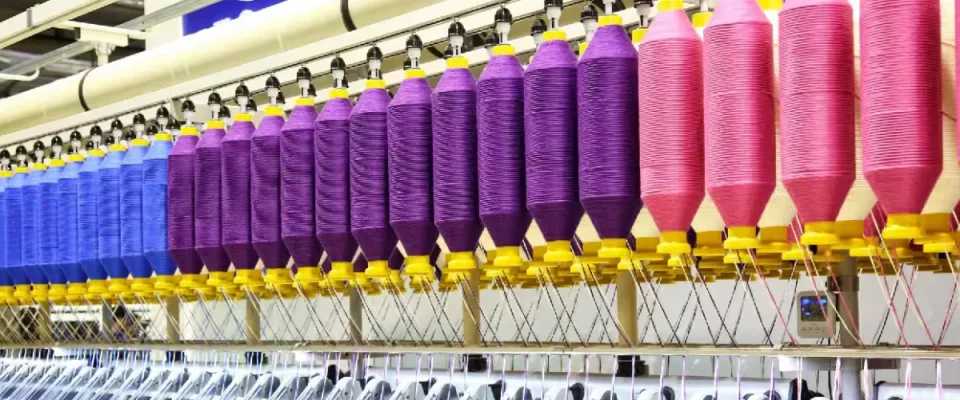
Bangladesh Reopens Textile and Jute Mills Under PPP Initiative to Drive Industrial Growth
DHAKA: The Bangladesh government has launched a series of initiatives to revive state-owned textile and jute mills through public-private partnerships (PPP), leasing arrangements, and industrial development projects, Textiles and Jute Minister Khandakar Abdul Muktadir informed Parliament on Monday.
Responding to a starred question from BNP lawmaker Mst Farida Yeasmin, the minister said the measures are part of the government’s election manifesto commitments aimed at revitalizing the country’s textile and jute sectors.
According to Muktadir, 15 of the 25 state-owned textile mills under the Bangladesh Textile Mills Corporation (BTMC) have been selected for operation under the PPP model. Agreements have already been signed for four mills, and the handover process has been completed. Production has resumed at two of these facilities, while efforts are underway to restart operations at the remaining mills.
The minister also noted that two textile mills have been leased to private operators, with agreements finalized and ownership transfer processes completed.
As part of broader industrial development efforts, the government has developed a Textile Village at Chittaranjan Cotton Mills in Narayanganj. Of the 22 industrial plots created within the project, 10 have already been allocated. One investor has established a modern knitting and garment manufacturing unit and has begun production.
Muktadir further announced plans to reopen Darowani Textile Mills Ltd in Nilphamari and Magura Textile Mills Ltd in Magura under the PPP framework.
Addressing the jute sector, the minister recalled that operations at 25 state-owned jute mills under the Bangladesh Jute Mills Corporation (BJMC) were suspended in 2020. The current government has since initiated steps to revive these mills in line with its commitment to strengthen the industry.
To date, 14 jute mills have been leased to private operators, with nine already resuming production. The leasing process for another five mills is in its final stages, and the government expects them to become operational by December 2026 under private management.
The remaining six jute mills are also undergoing leasing procedures. Meanwhile, Latif Bawany Jute Mills Ltd and Karim Jute Mills Ltd, located within the Dhaka South City Corporation area, are being considered for conversion into industrial zones under the Bangladesh Economic Zones Authority (BEZA).
The government’s efforts are aimed at boosting industrial productivity, attracting private investment, creating employment opportunities, and strengthening the competitiveness of Bangladesh’s textile and jute sectors in global markets.