


Scientists Develop Smart Fabric That Regulates Heat and Repels Water
Researchers have developed an innovative cotton-inspired fabric that combines the comfort and softness of natural cotton with advanced temperature-regulating capabilities. Unlike traditional cotton, which absorbs moisture and loses its insulating properties when wet, the new material remains dry, lightweight, and highly effective at maintaining warmth in extreme cold conditions.
A Smarter Alternative to Cotton
Cotton has long been valued for its softness, breathability, and comfort. However, its tendency to absorb water can become a significant disadvantage in cold environments. Once wet, cotton rapidly conducts heat away from the body, increasing the risk of discomfort and even hypothermia in freezing temperatures.
Seeking a better solution, researchers have engineered a synthetic fiber material that replicates cotton’s fluffy structure while offering superior thermal performance and water resistance.
“Inspired by the fluffy structure of cotton, we created a new material that is ultralight and flexible,” explained Professor Quan Shi, one of the study’s corresponding authors. “It keeps you warmer in cold conditions than cotton or commercial synthetic insulation materials while also helping prevent overheating at room temperature.”
Innovative Design with Built-In Temperature Control
The breakthrough material incorporates microscopic capsules filled with a phase-change hydrocarbon directly into a network of polymer fibers. These capsules automatically absorb, store, and release heat as temperatures fluctuate.
Unlike previous approaches that coated natural fibers with phase-change materials—which often resulted in stiff fabrics and leakage issues—the new design integrates the heat-regulating component directly into the fiber structure, maintaining softness, flexibility, and durability.
The material can be manufactured in both cotton-like fluffy forms and flat textile sheets suitable for clothing applications.
Water-Repellent and Highly Durable
Laboratory testing revealed that the new fabric significantly outperformed conventional cotton in moisture management.
While cotton readily absorbed water vapor and liquid droplets, the synthetic material effectively repelled both. This characteristic helps preserve its insulating properties even in humid or wet conditions.
Researchers also found that the fabric remained strong and flexible after repeated bending, stretching, and everyday movement, making it suitable for practical apparel applications.
Exceptional Performance in Extreme Cold
Performance testing demonstrated the material’s ability to adapt to changing temperatures automatically.
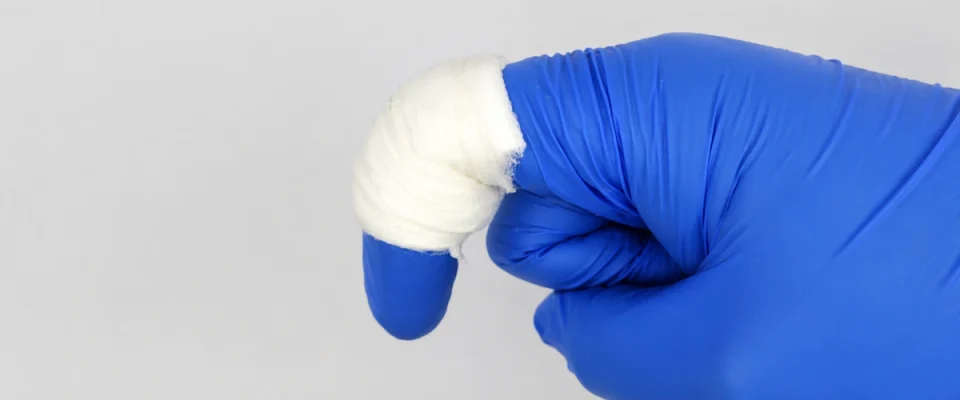
At temperatures as low as -25°C (-13°F), a hand wrapped in the new fabric remained substantially warmer than one covered with a cotton fabric of equal thickness. At room temperature, the material also allowed slightly greater heat release, helping improve wearer comfort and reduce overheating.
This dual-function capability makes the textile particularly attractive for outdoor clothing, winter sports apparel, protective gear, and cold-weather equipment.
Built to Last
Durability testing further highlighted the material’s commercial potential. After undergoing 20 washing cycles, the fabric retained its original fluffy structure and preserved approximately 97% of its heat-retention performance. It also showed minimal fiber shedding, addressing a common concern associated with synthetic textiles.
Future of Cold-Weather Textiles
The researchers believe their cotton-inspired material could pave the way for a new generation of intelligent fabrics designed for extreme environments. By combining lightweight comfort, moisture resistance, adaptive thermal regulation, and long-term durability, the innovation offers a promising alternative to both natural cotton and existing synthetic insulation materials.
As demand grows for high-performance apparel capable of functioning in increasingly challenging climates, this next-generation textile may play a key role in the future of outdoor wear, sportswear, and advanced protective clothing.
Article Courtesy:ACS